
GLP-1 Research Peptides UK
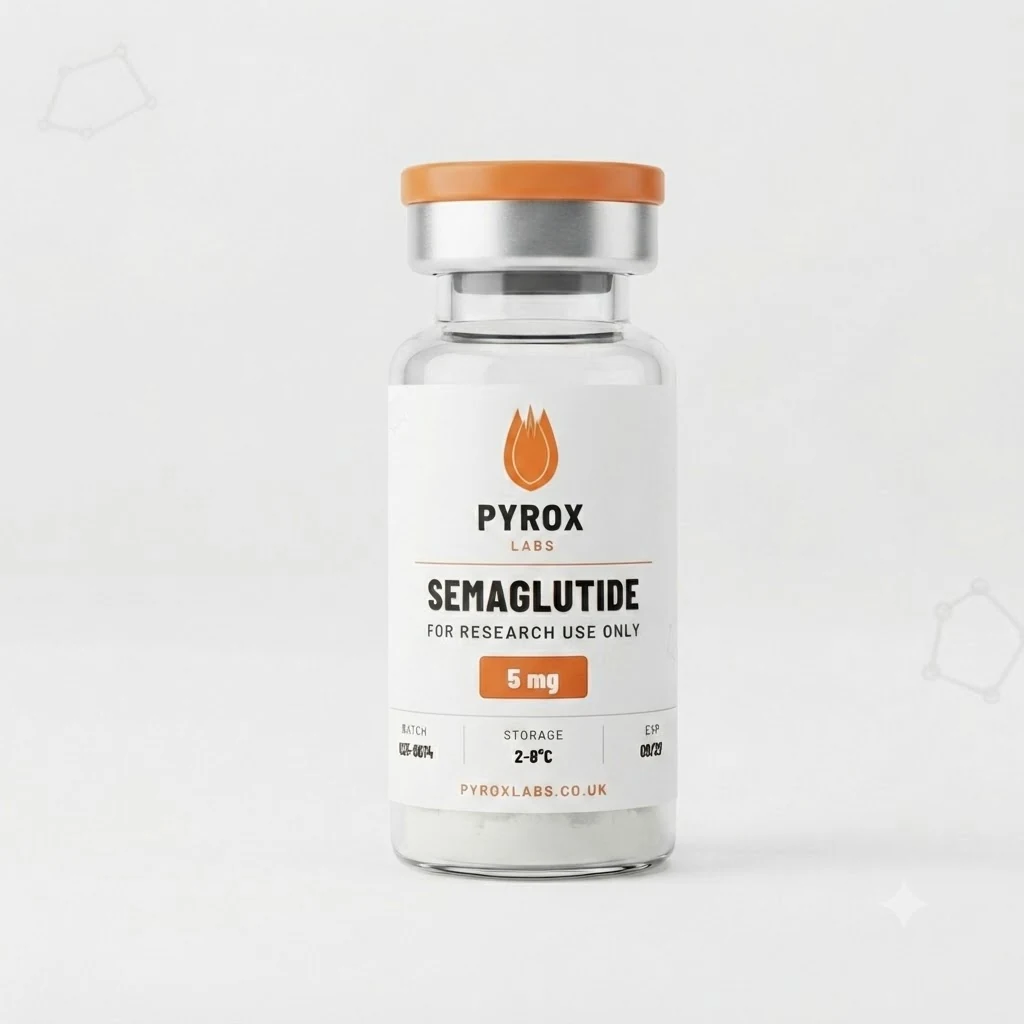
A complete GLP-1 research peptides UK overview — covering SM1, TZ2 and RT3 — for independent scientific and laboratory research purposes only.
What Is GLP-1?
Glucagon-Like Peptide-1 (GLP-1) is an endogenous incretin hormone produced in the L-cells of the intestinal epithelium in response to nutrient ingestion. First characterised in the early 1980s, it has since become one of the most extensively researched peptide hormones in metabolic science, and forms the molecular basis for the GLP-1 research peptides UK compounds covered in this guide, with an extensive body of peer-reviewed literature on PubMed.
GLP-1 plays a central role in glucose homeostasis and has formed the molecular basis for a new generation of synthetic receptor agonist research compounds. Its 30 amino acid structure — derived from proglucagon — has been progressively modified to extend half-life and explore mechanisms across multiple metabolic receptor pathways.
The research landscape has evolved from single receptor GLP-1 agonists through to dual and triple receptor agonists, each offering researchers increasingly complex multi-pathway study tools.
Mono, Dual and Triple Receptor Agonists
The three primary GLP-1 research compounds available from Pyrox Labs represent three distinct generations of receptor targeting complexity:
This progression allows researchers to study the incremental effects of additional receptor pathway activation, making comparative research between compounds particularly valuable.
GLP-1 Receptor Research Mechanisms
GLP-1 Research Peptides UK — Pyrox Labs Compounds
All three GLP-1 research peptides UK compounds are synthesised to analytical-grade standards, supplied in lyophilised research vial format with batch documentation available on request.
SM1 is a synthetic GLP-1 receptor agonist with a C18 fatty diacid modification providing strong albumin binding and extended half-life compared to native GLP-1. The foundational GLP-1 research compound — its well-characterised receptor binding profile and extensive published literature make it the standard reference compound for GLP-1 receptor pathway research.
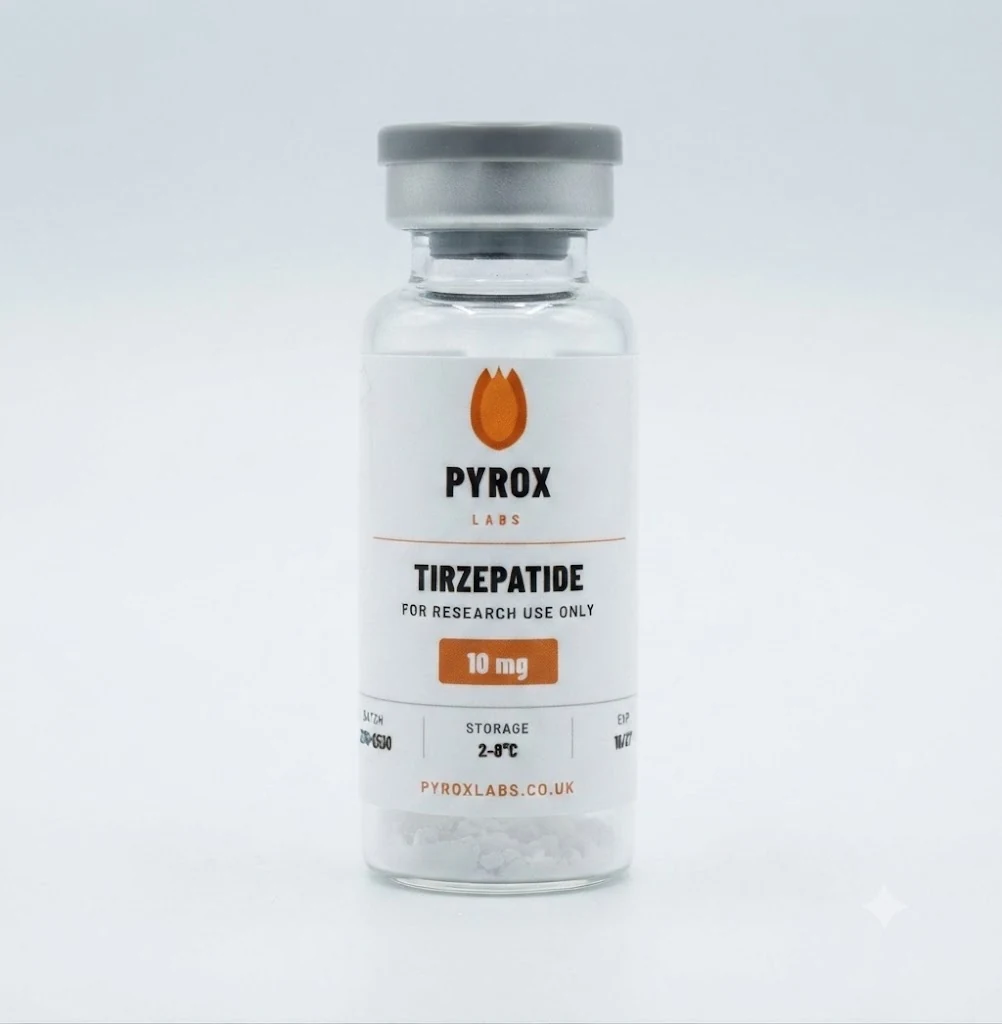
TZ2 is a dual receptor agonist targeting both GLP-1 and GIP (glucose-dependent insulinotropic polypeptide) receptors simultaneously. Its unique GIP receptor co-activation — not present in SM1 — allows researchers to study the additive effects of GIP pathway signalling alongside GLP-1 receptor activation. The GIP receptor is expressed in adipose tissue, bone and the central nervous system, opening additional research dimensions not available with GLP-1 mono-agonists. A critical reference compound for comparative dual vs single receptor agonism research.
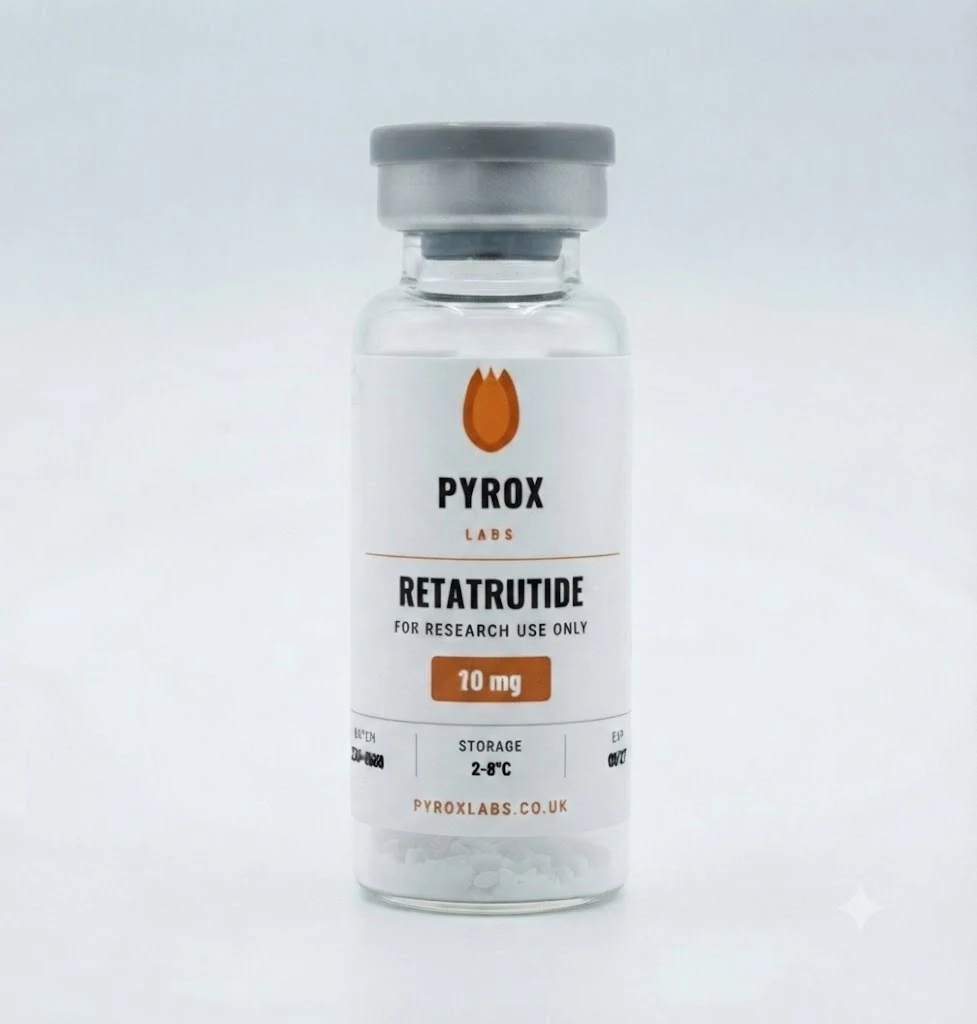
RT3 represents the current frontier of multi-receptor agonist research. As a triple agonist targeting GLP-1, GIP and glucagon receptors simultaneously, it adds glucagon receptor activation to the dual-agonist profile — a receptor with significant expression in hepatocytes and its own distinct role in hepatic glucose output and energy expenditure signalling. The most complex GLP-1 class research compound currently available, enabling researchers to study three distinct but interconnected metabolic pathways in a single protocol.
Full Compound Comparison
| Compound | Receptor Targets | Type | Key Research Advantage | Available Sizes | From |
|---|---|---|---|---|---|
| SM1 | GLP-1R | Single agonist | Well-characterised baseline GLP-1R reference compound | 5mg · 10mg · 20mg Bundle | £21.99 |
| TZ2 | GLP-1R + GIPR | Dual agonist | Adds GIP receptor pathway — adipose, bone, CNS dimensions | 5mg · 10mg · 20mg | £24.99 |
| RT3 | GLP-1R + GIPR + GcgR | Triple agonist | Adds glucagon receptor — hepatic & energy expenditure pathways | 5mg · 10mg · 20mg | £44.99 |
Choosing The Right Compound For Your Research
Choose SM1 if:
- Your research focuses specifically on GLP-1 receptor pathway activation in isolation
- You need a well-documented reference compound with extensive published literature
- Your protocol requires a mono-agonist control compound
- You are studying pancreatic beta cell signalling or gastric motility mechanisms
Choose TZ2 if:
- Your research investigates the additive effects of dual GLP-1 and GIP receptor co-activation
- You are studying adipose tissue signalling, bone metabolism or CNS GIP receptor pathways
- You require a dual-agonist comparator alongside a GLP-1 mono-agonist protocol
- Your research examines differential outcomes between single and dual receptor agonism
Choose RT3 if:
- Your research requires simultaneous activation of three distinct metabolic receptor pathways
- You are investigating hepatic glucose output mechanisms via glucagon receptor modulation
- Your protocol examines energy expenditure signalling beyond GLP-1 and GIP pathways
- You are conducting comparative studies between dual and triple receptor agonism
Storage & Reconstitution
Storage and reconstitution practices are the same across all GLP-1 research peptides UK compounds listed above:
- Lyophilised powder: Room temperature, away from light and moisture. Typically stable 12–24 months.
- Reconstituted solution: Refrigerate at 2–8°C immediately. Do not freeze. Use within 28 days.
- Reconstitution: Use bacteriostatic water. Add slowly down the vial wall. Swirl gently — never shake.
For detailed step-by-step reconstitution instructions see our Peptide Reconstitution Guide →